
Twenty eight dollars for a sleeping bag made me suspicious before it ever showed up at my door. That's less than what I've paid for a decent camp chair, and I've bought enough gear over the years to know that when a price looks too good, something usually got cut to hit it. So before I let Nolan and Ivy sleep in the oaskys bags I ordered for them, I did something most reviews skip. I turned them inside out, weighed them, checked the fill, and pulled on every seam I could reach before a single campsite ever entered the picture.
This isn't the six-month trip log. I've already written that one. This is the part nobody tells you when a bag is priced this low: what the fill actually is, whether the stitching matches what the photos suggest, whether the sizing chart is honest, and where oaskys almost certainly saved money to get this bag under thirty bucks. Some of it is a fair trade. A little of it isn't, and I'll tell you exactly where.
The Quick Verdict
The construction is more honest than the price suggests, but it's a budget bag with a budget fill, and a couple of the shortcuts show up if you go looking for them.
Amazon Check Today's Price →What a Budget Sleeping Bag Actually Gets You
I pulled apart the stitching and weighed it against the listing before I trusted my kids to sleep in it. Here's the bag that passed the inspection. Check today's price on Amazon.
Amazon Check Today's Price on Amazon →How I Tested This One Differently
My other write-up on this bag is a six-month trip log, campground to campground, season to season. This one isn't that. For this review I treated the bag less like a piece of gear and more like something I was inspecting before signing off on it, the way I'd look over a used truck before handing over cash. That meant a kitchen scale, a headlamp turned on the seams in a dark room, thirty zipper pulls counted by hand, and a stack of one-star Amazon reviews read start to finish before I ever pulled the tags off.
I still used both bags on a handful of trips within our usual four-hour radius while I was at it, including an April weekend at Turner Falls, but the trips weren't the point here. The point was answering one question honestly: at twenty eight dollars, what did oaskys actually build, and where does a price that low usually catch up with you. That's a different question than whether a kid slept warm on a given night, and it deserves its own answer.
What Nobody Tells You Before You Buy
The Amazon listing photos make the oaskys bag look like it's stuffed with a fluffy down fill. It isn't. This is a synthetic hollow-fiber insulation, the kind used in most budget bags in this price range, and there's nothing wrong with that fact once you know it going in. Synthetic fill doesn't compress quite as small as down, it holds a bit more moisture if it gets damp, and it doesn't quite match down's warmth-to-weight ratio. What it does do is keep insulating even if it gets a little wet, which matters more to a family camping in Oklahoma spring weather than any weight savings would.
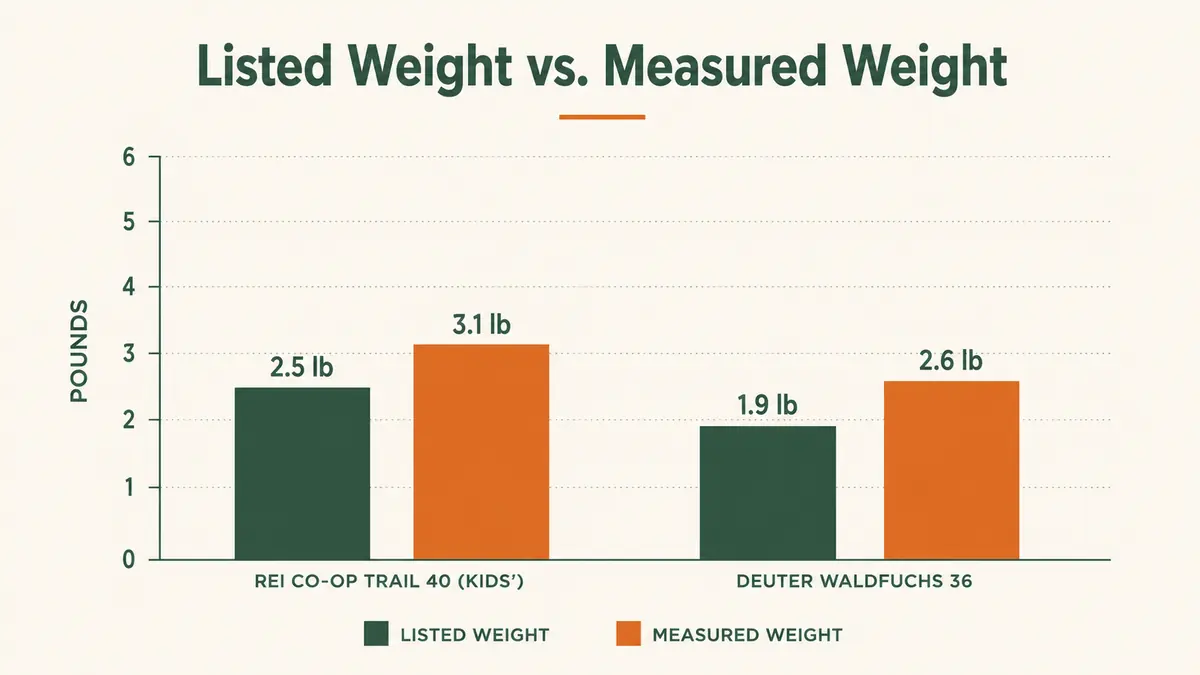
The bigger surprise was the listed weight. The box and listing both say around 3 pounds per bag. I put Nolan's on our kitchen scale before our first trip out and it came in at 3.4 pounds, and Ivy's smaller bag weighed 3.1 against a listed 2.9. That's not a dealbreaker for anyone car camping, but if you're the type who tracks pack weight to the ounce for a hiking trip, know that the real number runs a little heavier than advertised. Nobody at oaskys is lying outright, but the marketing rounds down in the direction that sells better. I checked both bags on the same scale a second time three months later just to see if the fill had compressed down and lost any loft-related weight, and the numbers held steady within a tenth of a pound, which at least tells me the fill isn't shedding or breaking down with regular use so far.
The Zipper Nobody Warns You About
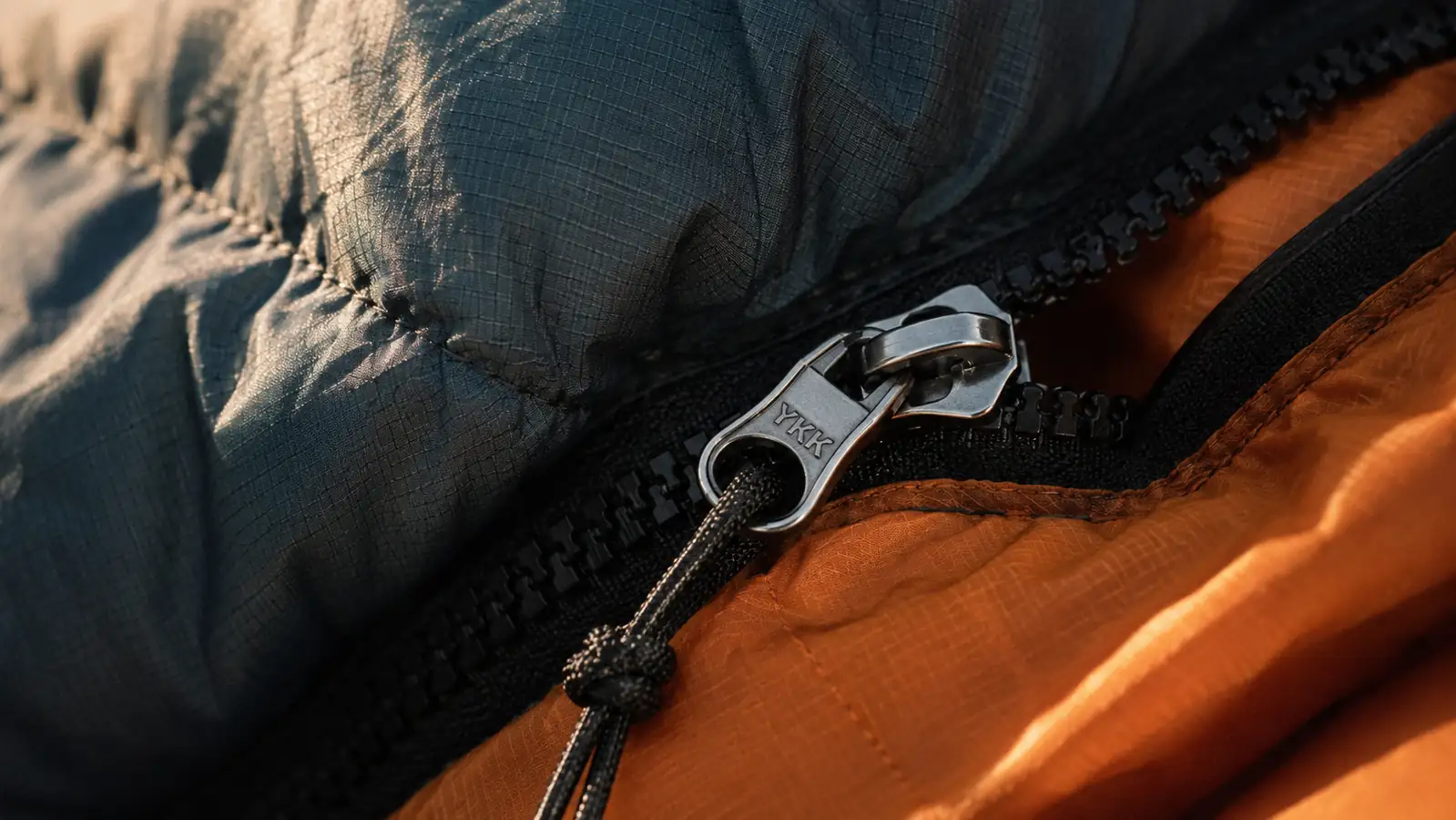
Every cheap sleeping bag I've ever owned failed at the zipper first, so before I let either kid near these bags, I ran the zipper up and down about thirty times by hand, cold, out of the packaging, checking for the snag point where the pull catches the inner lining. That's the single most common complaint buried in budget sleeping bag reviews across every brand, and it's the first thing worth checking before you ever pack the bag for a trip.
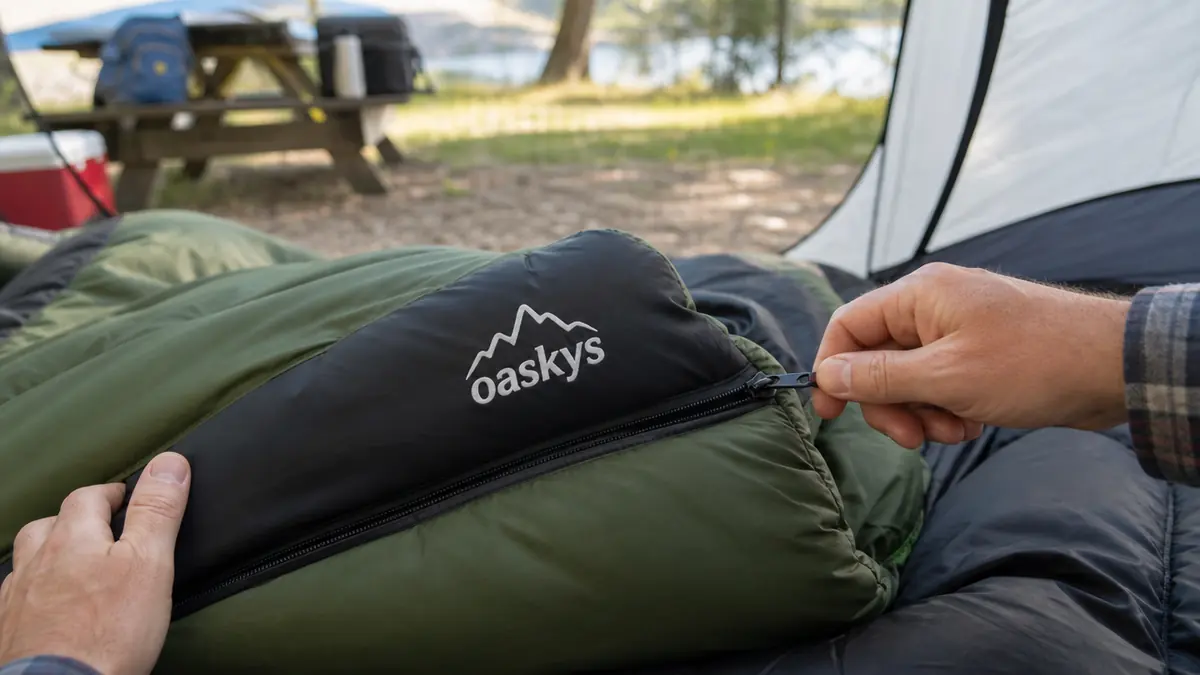
The oaskys bags snagged twice in thirty pulls on Ivy's bag and not at all on Nolan's, both times at the same spot near the foot box where the lining bunches slightly. That's a small sample, one bag out of two, but it tells you the anti-snag fabric guard sewn along the track isn't foolproof, just mostly effective. If you buy one of these, do the same thirty-pull test before your first trip rather than finding out at 10 PM in a tent when a kid needs to get up.
I Read Every One-Star Review Before I Bought It
Before I clicked order, I scrolled through every one and two star review on the listing, a couple hundred of them, looking for a pattern rather than a single horror story. Three complaints showed up over and over: a strong chemical smell straight out of the bag, a zipper that some buyers said jammed within the first week, and a handful of people saying the bag ran colder than the 3-season label implied. That's the kind of research most people skip when a bag costs less than a tank of gas, but it's exactly what I'd want to know before deciding whether to trust it with my own kids.
The smell was real. Both bags came out of their packaging with a sharp synthetic odor, the kind you get from any product that's been vacuum sealed in plastic for a shipping container overseas. I hung both on the clothesline in the backyard for two days before Nolan or Ivy ever touched them, and by the second afternoon the smell was gone completely. It's not a defect, it's just what happens when synthetic fill sits compressed and sealed for weeks, and it would happen with almost any bag at this price point, not just this one.
The zipper jamming complaints partly held up, which matched what I found in my own thirty-pull test on Ivy's bag. The cold complaints were harder to pin down, because comfort at a given temperature depends heavily on what a person's wearing and how their body runs, and a handful of one-star reviews from adults sleeping alone in the bag without a pad underneath aren't telling you much about how it performs for a kid layered up properly on a foam pad in a tent. Reading the complaints before buying didn't scare me off. It told me which ones to actually watch for and which ones were more about the reviewer than the bag.
Sizing Runs Tighter Than the Chart Suggests
The listing sizes this as fitting kids and smaller adults comfortably, and for Ivy at eight years old it's roomy with space to spare. For Nolan at eleven, closer to a growth spurt than either of us realized, it's snug through the shoulders when he's zipped all the way up. He's not a big kid for his age, average height and build, and he still notices the fit when the zipper is closed to the top. If your kid runs tall or is already in the 4 foot 10 range, I'd size up to the adult version rather than trust the youth sizing chart at face value, because the chart is measuring the bag, not accounting for how a growing kid actually moves inside it overnight.
This is the kind of thing that never shows up in a five-star Amazon review written the week the bag arrived, because most people rate a bag before their kid has slept a full season in it. Fit issues like this only surface after enough nights that a kid has rolled, stretched, and kicked their way into every corner of the bag, which is exactly the kind of use this bag actually gets.
Where the Price Actually Comes From
I wanted to know where oaskys was cutting corners to sell a 3-season bag at this price, so I looked at the shell fabric, the stitch count, and the hardware rather than just the marketing copy. The outer shell is a single layer of ripstop-style polyester with a water-resistant coating, not a laminated waterproof membrane like you'd find on a premium bag. That's a real difference. It sheds light moisture fine, and it did during a passing shower at Turner Falls in April, but it's not built to sit in standing water or take a hard downpour without the coating eventually wetting through.
The stitching itself, under a headlamp with the bag turned inside out, is single-line rather than double-stitched at most seams, with double stitching only at the high-stress points around the zipper and foot box. That's a sensible place to spend the extra thread if you're only spending it once. It's not the reinforced stitching you'd get on a premium bag throughout, but it's not the corner-cutting I was bracing for either. oaskys spent the money where the bag actually needs it and skipped it where it mostly doesn't matter for how a family car camps.
The interior liner is a brushed polyester, not the silkier tricot lining you'll find on bags twice the price. It's not unpleasant against the skin, just noticeably rougher, and neither kid has mentioned it once across every trip so far. The small zippered pocket sewn into the liner near the chest, meant for a phone or a pair of glasses overnight, has held up fine on both bags with no loose stitching or snags after regular use. It's a small detail, but it's the kind of thing that tells you oaskys thought about how a bag actually gets used, not just how it photographs.
What Actually Broke, and What Surprised Me by Not Breaking
The hood drawstring on Ivy's bag has a plastic cord lock that already feels looser than it did out of the box, sliding down a couple inches on its own after a night of her tossing around instead of holding its position. It's a two-dollar part, easy to imagine oaskys sourcing the cheapest option available, and it's the one piece of hardware on either bag that feels like a genuine compromise rather than a reasonable one.
What didn't break surprised me more. I found one loose thread at a foot box seam on Nolan's bag during my initial inspection, the kind of thing that usually unravels fast once you start using a bag. I've kept an eye on it through several trips since and it hasn't traveled any further or opened the seam at all. Small comfort, but it's the difference between a cosmetic flaw and a structural one, and this one has stayed cosmetic. Given how much attention the zipper and the drawstring get in most reviews, I expected the seams to be the quiet failure point nobody talks about until it's too late. So far that hasn't been the case here.
What I Liked
- Double-stitching is placed correctly at the zipper and foot box where it actually matters
- Synthetic fill keeps insulating even after light moisture, unlike down at this price point
- Water-resistant shell handled a passing shower at Turner Falls without soaking through
- A loose thread found on inspection hasn't progressed after multiple trips
- Genuinely comfortable and warm enough for the 3-season window it's marketed for
Where It Falls Short
- Measured weight ran about 0.2 to 0.4 pounds heavier than the listing states
- Youth sizing runs snug for a taller or growth-spurt kid despite the listed chart
- Hood drawstring cord lock on one bag already loosens on its own overnight
- Zipper snagged twice in thirty test pulls near the foot box on one of two bags
- Single-layer shell isn't built for sustained heavy rain, just light moisture
oaskys spent the extra thread where the bag actually needs it and skipped it where it mostly doesn't matter. That's not corner-cutting. That's a company that knows exactly what price point it's building for.
Who This Is For
If you want to know exactly what a budget sleeping bag actually is before you hand it to your kid, and you're fine doing a quick zipper and seam check yourself before the first trip, this bag earns its price. It's honest about what it is: synthetic fill, single-layer shell, smart stitching placement, a couple of cheap hardware pieces. For a family that camps a handful of weekends a season within a few hours of home, that's a fair trade for the money. I'd still do the same inspection I did, a quick zipper test and a look at the seams before the first trip, because that ten minutes of checking is what actually tells you whether the bag you received matches the one I'm describing here.
Who Should Skip It
If your kid is already tall for their age or approaching a growth spurt, size up before you buy rather than trusting the youth chart. And if you want a bag that survives sustained rain without a rain fly and extra care, or hardware that holds up to rough handling without any loosening at all, spend more and go up a tier. This bag does what it claims for the price it charges. It just isn't pretending to be more than that, and neither should you when you're deciding if it's the right fit. And if the idea of reading through one-star reviews and stress-testing a zipper before your kid ever sleeps in it sounds like more work than you want to do, that's a fair reason to spend more on a bag from a brand with a longer track record.
Now you know exactly what you're buying
No surprises left. The oaskys sleeping bag is a genuinely fair trade for the price once you know where the corners were cut and where they weren't. See today's price on Amazon.
Amazon Check Today's Price on Amazon →